
Iron Deficiency: Signs You Are Low on Iron and the Best Foods to Fix It
Feeling tired all the time, getting out of breath on the stairs, looking pale, or craving ice? These are classic signs of low iron, and it is far more common than most people think. Iron deficiency is the most common nutritional deficiency in the United States and much of the developed world, and according to the World Health Organization it is the leading cause of anemia, which affects around 30 percent of women aged 15 to 49 globally.
The good news is that iron deficiency is one of the easiest nutritional problems to fix once it is identified. This guide covers what iron does, how to recognise when you are low, what causes it, and which foods actually help.
What iron does in the body
Iron is the core of hemoglobin, the protein in red blood cells that carries oxygen from the lungs to every tissue. It is also needed for energy production in muscles and for normal brain function. When iron stores run low, the body makes fewer and smaller red blood cells, less oxygen reaches the tissues, and you feel it as tiredness and weakness. That stage is called iron deficiency anemia.
Signs you might be low on iron
Symptoms build slowly, which is why many people live with them for months and put them down to stress or lack of sleep.
- Tiredness and low energy that does not improve with rest
- Shortness of breath during activities that used to be easy
- Pale skin, pale inner eyelids or pale gums
- Heart palpitations or a racing heartbeat
- Headaches and dizziness, especially when standing up
- Cold hands and feet
- Brittle nails, spoon-shaped nails or hair falling out more than usual
- A sore or smooth tongue, cracks at the corners of the mouth
- Cravings for ice, clay or starch (a condition called pica)
- Restless legs at night
Only a blood test can confirm it. A doctor will usually check hemoglobin, and ideally ferritin, which measures your iron stores and can be low before anemia develops.
Who is most at risk
- Women with heavy periods. Monthly blood loss is the most common cause in women of reproductive age.
- Pregnant and breastfeeding women. Iron needs roughly double during pregnancy.
- Children and teenagers. Rapid growth needs more iron than many diets provide.
- Vegetarians and people who eat little meat. Plant iron is absorbed less efficiently.
- Heavy tea and coffee drinkers. Tea or coffee taken with or right after meals can cut iron absorption by more than half.
- People with stomach or gut conditions. Ulcers, celiac disease, H. pylori infection, bariatric surgery and long-term use of antacids reduce absorption or cause slow blood loss.
- Regular blood donors and endurance athletes.
How much iron do you need?
The recommended daily intakes from the US National Institutes of Health are:
- Men aged 19 to 50: 8 mg a day
- Women aged 19 to 50: 18 mg a day
- Women aged 51 and over: 8 mg a day
- During pregnancy: 27 mg a day, which is why most doctors recommend a prenatal supplement
Most people can meet these numbers from food alone if they eat the right things in the right combinations.
The best foods for iron
There are two types of iron in food. Heme iron from animal sources is absorbed well (around 15 to 35 percent). Non-heme iron from plants is absorbed less well (around 2 to 20 percent), but it still makes up most of the iron in a typical diet, so it matters.
Animal sources (heme iron)
- Liver and other organ meats, the richest source by far
- Red meat such as beef and lamb
- Chicken and turkey, especially the darker meat
- Fish and shellfish, particularly sardines, tuna and clams
- Eggs, in smaller amounts
Plant sources (non-heme iron)
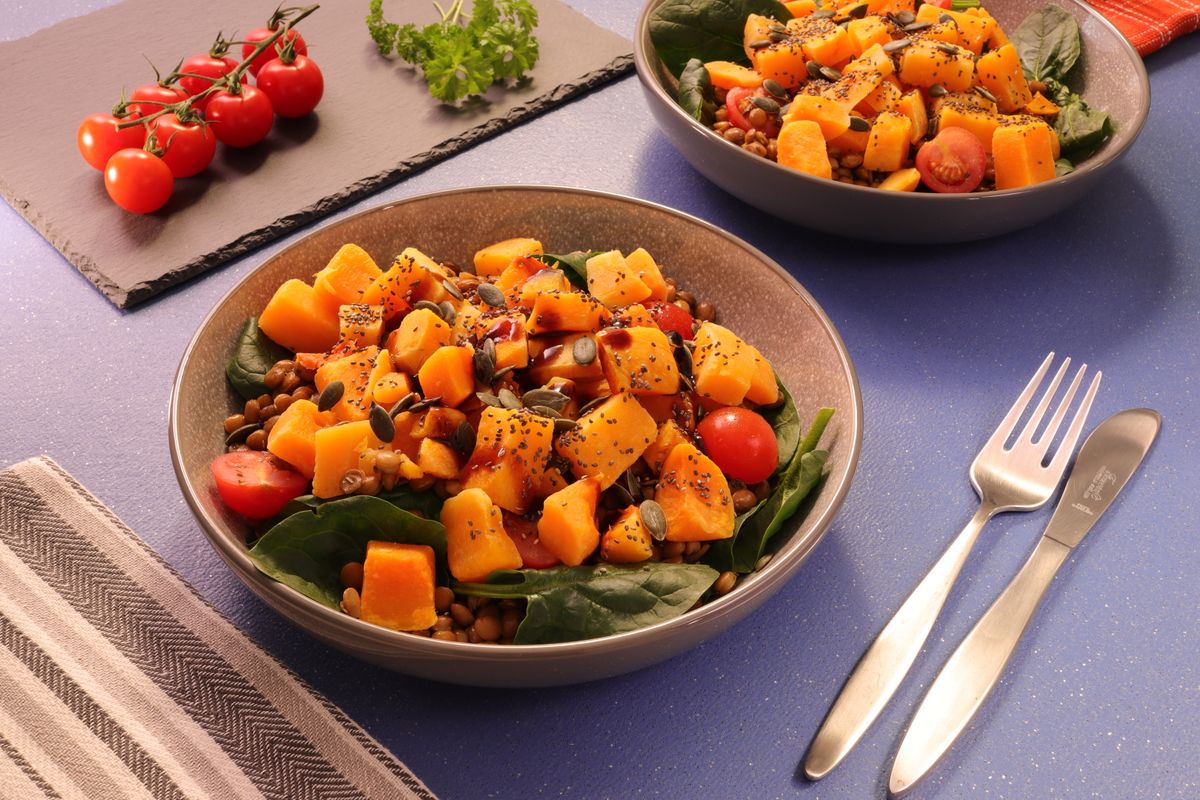
- Lentils, chickpeas, black beans, kidney beans and white beans
- Dark leafy greens: spinach, kale, Swiss chard, collard greens
- Tofu, tempeh and edamame
- Pumpkin seeds, sesame seeds and tahini
- Dried fruit: apricots, raisins, prunes, dates
- Nuts, especially cashews and almonds
- Fortified breakfast cereals, oatmeal and fortified bread (check the label)
- Blackstrap molasses and dark chocolate (70 percent or more) in small amounts
Simple tricks to absorb more iron
What you eat with iron matters almost as much as the iron itself.
- Add vitamin C to the same meal. Lemon squeezed over lentil soup, tomatoes in a chili or stew, strawberries or an orange after lunch, or bell peppers in a salad can double or triple the absorption of plant iron.
- Move tea and coffee away from meals. Wait at least one hour after eating. The tannins and polyphenols in tea and coffee bind iron and stop it being absorbed.
- Do not take calcium with iron. Milk, yogurt and calcium supplements compete with iron. Have them at a different time of day.
- Cook in a cast-iron skillet. A small but real amount of iron passes into acidic foods like tomato sauce and chili.
- Soak or sprout pulses. This reduces phytates, the compounds in beans and grains that block iron.
- Combine meat with plants. A little meat, chicken or fish in a dish of beans or greens improves absorption of the plant iron too.
Should you take an iron supplement?
Only if a blood test shows you need one. Taking iron when you are not deficient can cause constipation, nausea and stomach pain, and in people with a condition called hemochromatosis it is harmful. If your doctor does prescribe iron tablets, these tips make them work better and feel easier:
- Take them on an empty stomach or with a vitamin C source, not with milk or tea.
- Taking the tablet every other day is now known to be absorbed just as well as daily, with fewer side effects. Ask your doctor.
- Dark stools are normal. Severe constipation or pain are not, so report them.
- Keep going for at least three months after your hemoglobin returns to normal, to rebuild stores.
- Keep iron tablets away from children. Accidental overdose is dangerous for them.
When to see a doctor
See a doctor if you have several of the symptoms above, if you are pregnant, if you notice blood in your stool or very heavy periods, or if tiredness is affecting your daily life. Iron deficiency can also be the first visible sign of an underlying problem such as a stomach ulcer, so it should always be checked rather than just treated with supplements bought over the counter.
The bottom line
Low iron is common, under-diagnosed and very fixable. Eat iron-rich foods daily, pair them with vitamin C, keep coffee and tea away from meals, and get a simple blood test if the symptoms sound familiar. Most people feel noticeably better within a few weeks of correcting it.
Sources
- World Health Organization: Anaemia
- NHS: Iron deficiency anaemia
- NIH Office of Dietary Supplements: Iron fact sheet for consumers
- Mayo Clinic: Iron deficiency anemia
Photo: Pexels
Leave a comment
Post a Comment