
Dry Skin in Winter: Why It Happens and How to Fix It
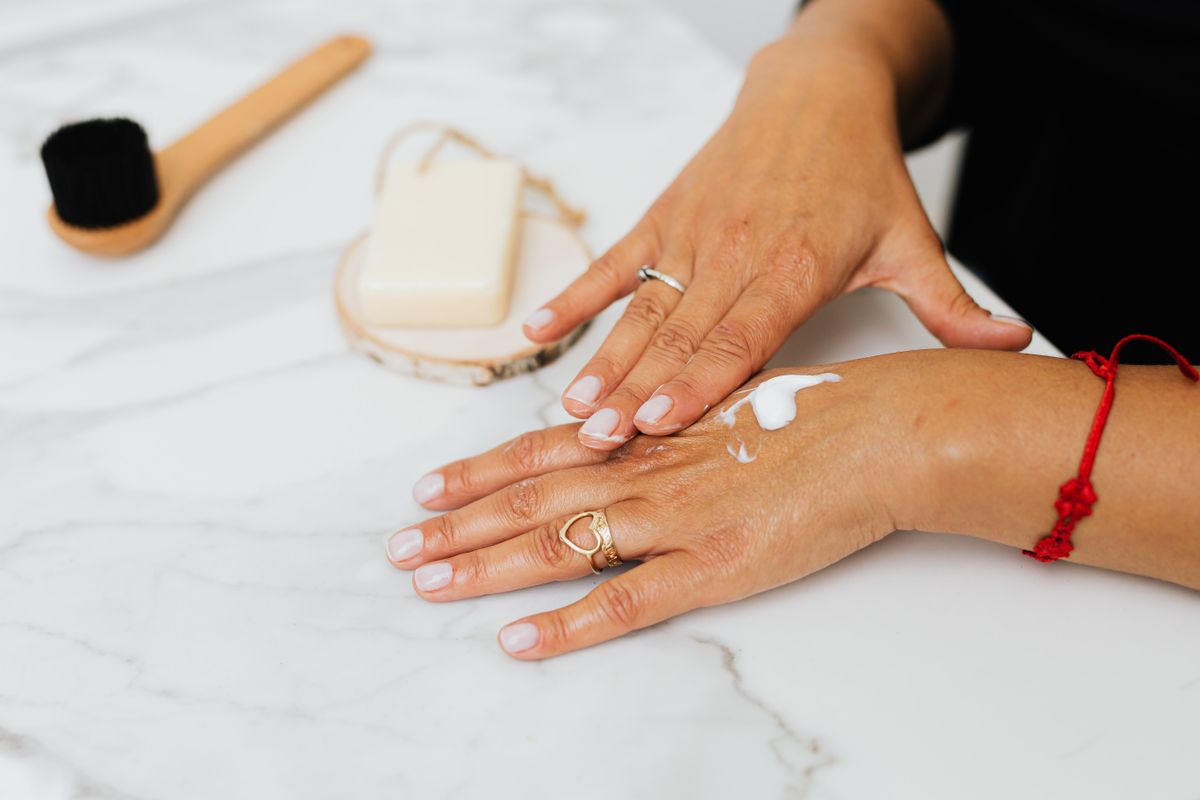
Every winter the same thing happens: skin that felt fine in summer starts to feel tight after a shower, flakes on the shins, and cracks across the knuckles. Winter dryness is common and usually easy to fix once you know what is causing it. This guide explains why it happens and the simple habits dermatologists recommend to calm it down.
Why skin gets so dry in winter
Healthy skin keeps water in with a thin outer barrier made of skin cells and natural oils. In winter, several things work against that barrier at the same time.
- Cold, dry outdoor air. Cold air holds less moisture, so it pulls water out of your skin, and wind makes it worse.
- Dry indoor air. Central heating keeps you warm but leaves the air in your home very dry.
- Long, hot showers. Hot water feels good on a cold morning, but it strips away the oils that protect your skin.
- Frequent hand washing. Cold and flu season means more washing and more hand sanitizer, which is hard on the backs of the hands.
- Rough fabrics. Wool sweaters and tight layers rub against already dry skin and make itching worse.
When the barrier loses water, it cannot hold itself together as well. That is when you see flaking, roughness and, in bad cases, small cracks that sting or bleed.
Signs your skin barrier needs help
- A tight, stretched feeling right after you shower or wash your face
- Rough, flaky or scaly patches, often on the shins, arms and hands
- Itching that gets worse at night or after a hot shower
- A dull, ashy look, which is easy to notice on darker skin tones
- Fine cracks on knuckles, fingertips or heels that may sting or bleed
- Chapped, peeling lips
The hands are often the first place dryness shows up, because they are washed most and exposed to the cold most.
10 dermatologist-backed ways to fix winter dry skin
These steps come from the American Academy of Dermatology, and most of them cost little or nothing.
1. Keep showers short and warm, not hot
Aim for 5 to 10 minutes in warm water, and close the bathroom door so the steam stays in the room. A short, warm shower cleans just as well without stripping your skin.
2. Pat, don't rub
Dry off by gently patting with a clean towel. Rubbing hard irritates skin that is already rough.
3. Moisturize while your skin is still damp
Apply moisturizer right after bathing, while your skin is still slightly damp, to lock in the water. Reapply after washing your hands and any time your skin feels dry.
4. Choose a cream or ointment instead of a lotion
Lotions are thin and mostly water. Creams and ointments are thicker and do a better job of sealing moisture in, which is what dry winter skin needs.
5. Look for proven moisturizing ingredients
Check the label for ingredients such as glycerin, hyaluronic acid, dimethicone, petrolatum, mineral oil, lanolin, shea butter, jojoba oil or lactic acid. You do not need an expensive product; many drugstore creams contain these.
6. Go fragrance-free
Fragrance is one of the most common irritants for dry skin. Choose products labeled fragrance-free. "Unscented" is not the same thing, because some unscented products contain chemicals that mask smells.
7. Use a gentle cleanser, and only where you need it
Skip deodorant soaps and harsh body washes. A mild cleanser on the areas that really need it, such as the armpits and groin, is enough. You do not need a thick lather to get clean.
8. Add moisture to the air
A humidifier helps, especially in the bedroom overnight. Keeping indoor humidity between about 30 and 50 percent is a good target. Change the water daily and clean the humidifier every few days so mold and bacteria do not build up.
9. Protect your hands and lips
Keep a non-greasy hand cream by the sink and in your bag, and use it after every hand wash. Wear gloves outdoors in cold weather and when washing dishes. For lips, use a plain lip balm or petroleum jelly, and switch products if one stings or tingles.
10. Dress for your skin
Wear loose, soft clothing. If you love wool sweaters, put a cotton or silk layer underneath so the wool does not rub directly on your skin.
What to avoid
- Products that contain alcohol (hand sanitizer is the exception) or added fragrance
- Harsh scrubs and long, hot baths
- Retinoid products on very dry or irritated areas, unless a dermatologist has advised them
- Anti-itch creams used without advice, since some can make dryness and itching worse
It also helps to keep up the same everyday habits for healthy skin that work all year, like gentle cleansing and protecting your skin from the sun. Winter sun still reaches your skin, so keep using a broad-spectrum sunscreen with SPF 30 or higher on your face and hands when you are outdoors.
A simple winter skin routine
- Morning: rinse your face with lukewarm water or a gentle cleanser, apply a fragrance-free moisturizer, then sunscreen on exposed skin and a lip balm.
- During the day: hand cream after every wash, gloves outdoors.
- After your shower: pat dry and apply a body cream within a few minutes.
- Bedtime: run the humidifier, and for cracked hands or heels, apply a thick ointment and cover with cotton gloves or socks overnight.
When to see a doctor
Most winter dryness improves with the steps above. See a doctor or a board-certified dermatologist if:
- Your skin is still dry, itchy or cracked after a few weeks of good care
- Itching is keeping you awake at night
- You have open cracks, bleeding, or signs of infection such as spreading redness, warmth, swelling or pus
- You notice large areas of scaling or peeling, or an itchy rash that keeps coming back
- A moisturizer or other product causes burning or stinging
Ongoing dryness can be a sign of a skin condition such as eczema (atopic dermatitis) or psoriasis, and sometimes of another health problem such as kidney disease. These need proper treatment, and without it both the dryness and the condition can get worse.
The bottom line
Winter dry skin comes from cold air, dry heated rooms and hot water pulling moisture out of your skin. Shorter warm showers, a thick fragrance-free cream on damp skin, a humidifier at night and gloves outdoors fix most cases. If your skin does not improve in a few weeks, or it cracks, bleeds or itches badly, get it checked.
Sources
- American Academy of Dermatology: Dermatologists' tips to relieve dry skin
- American Academy of Dermatology: Dry skin relief
- Mayo Clinic Care Network: Humidifier care 101
Photo: Pexels
Leave a comment
Post a Comment